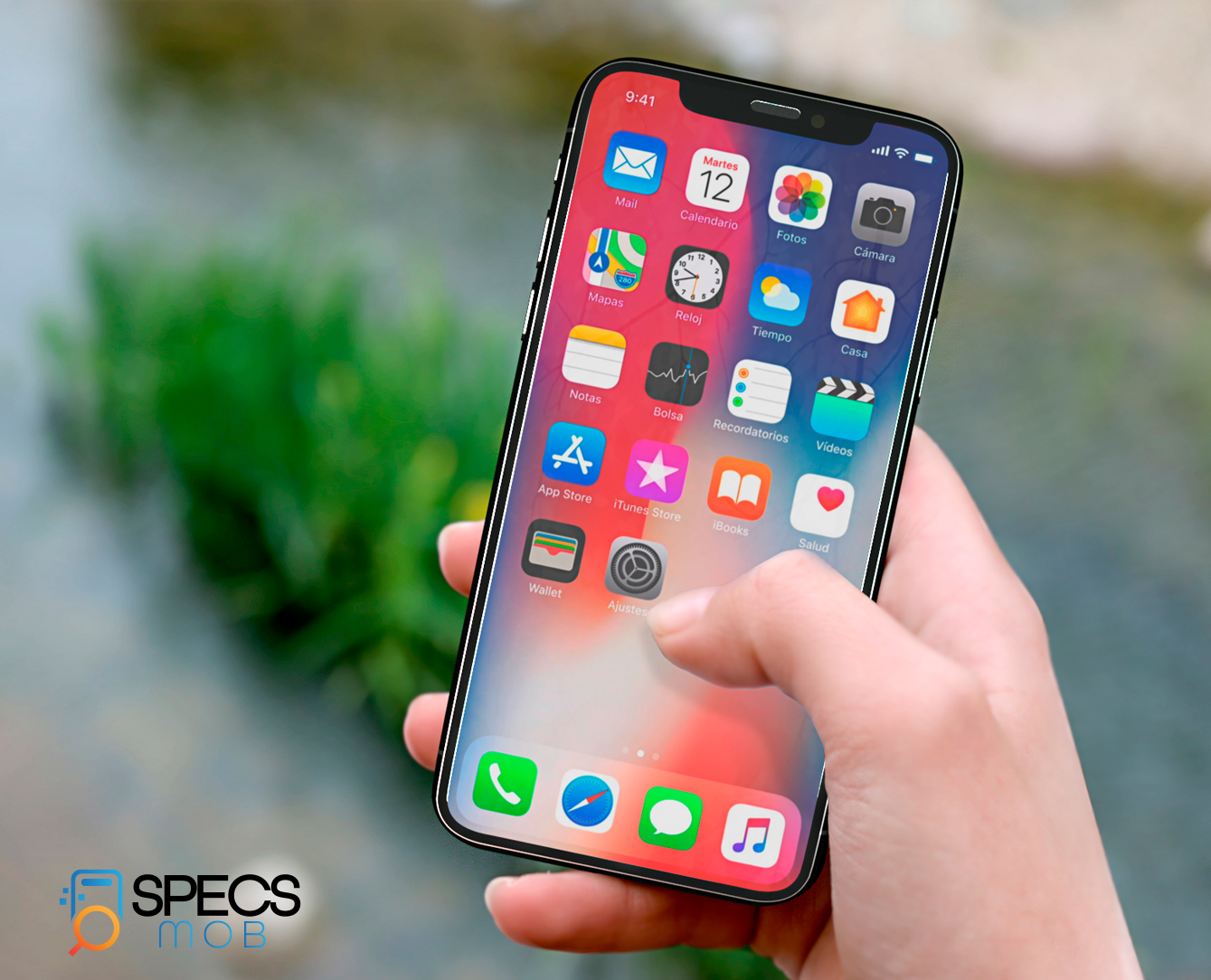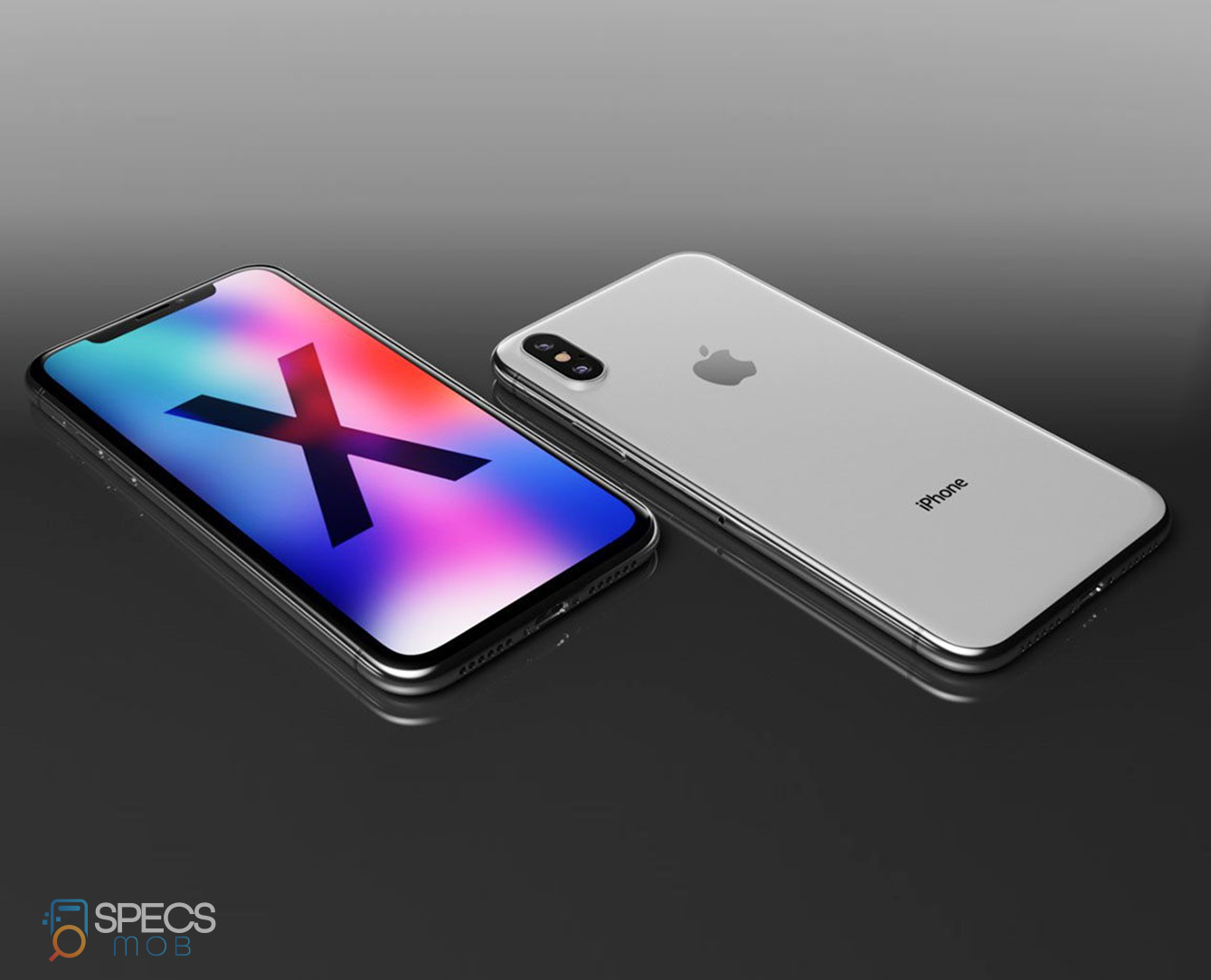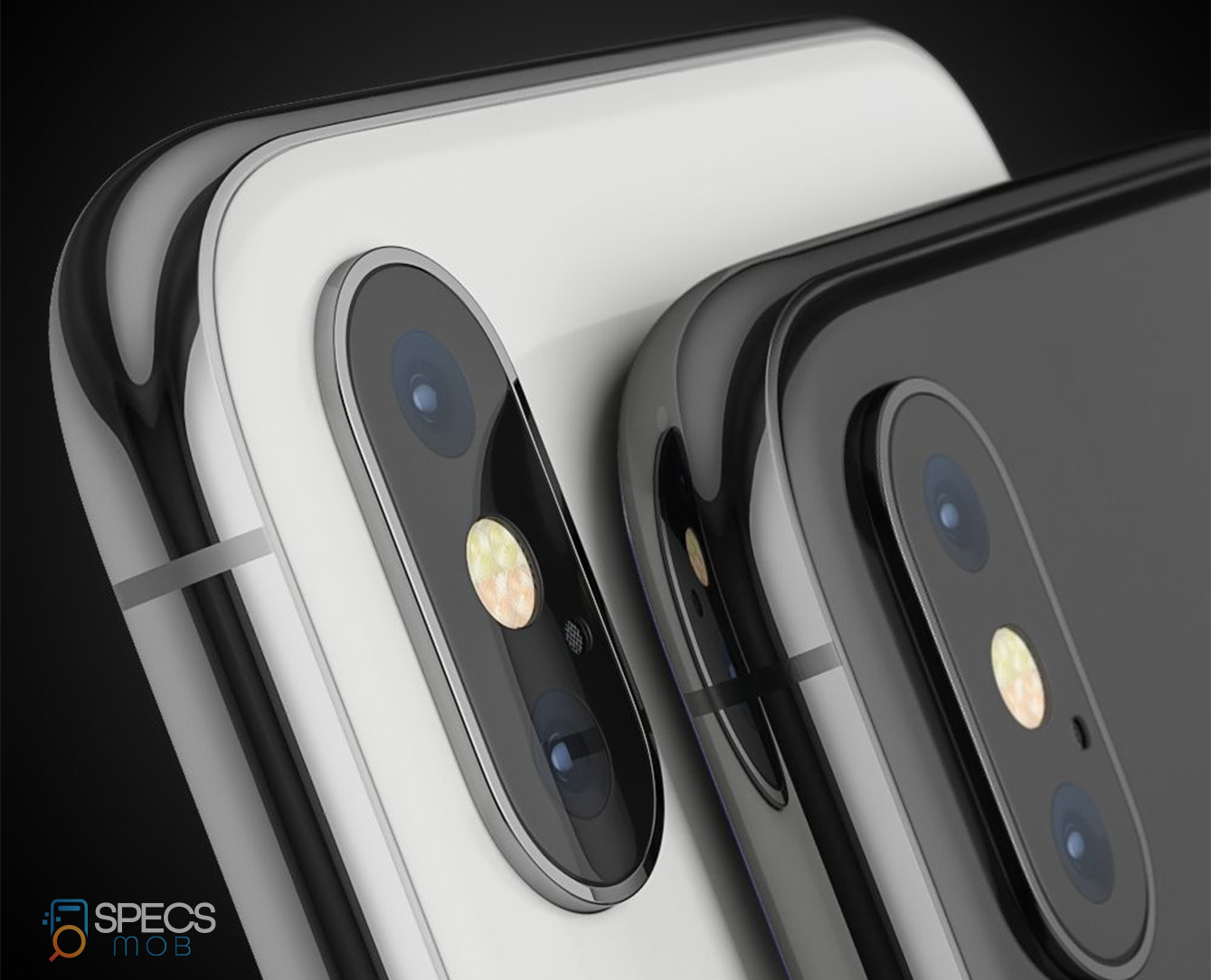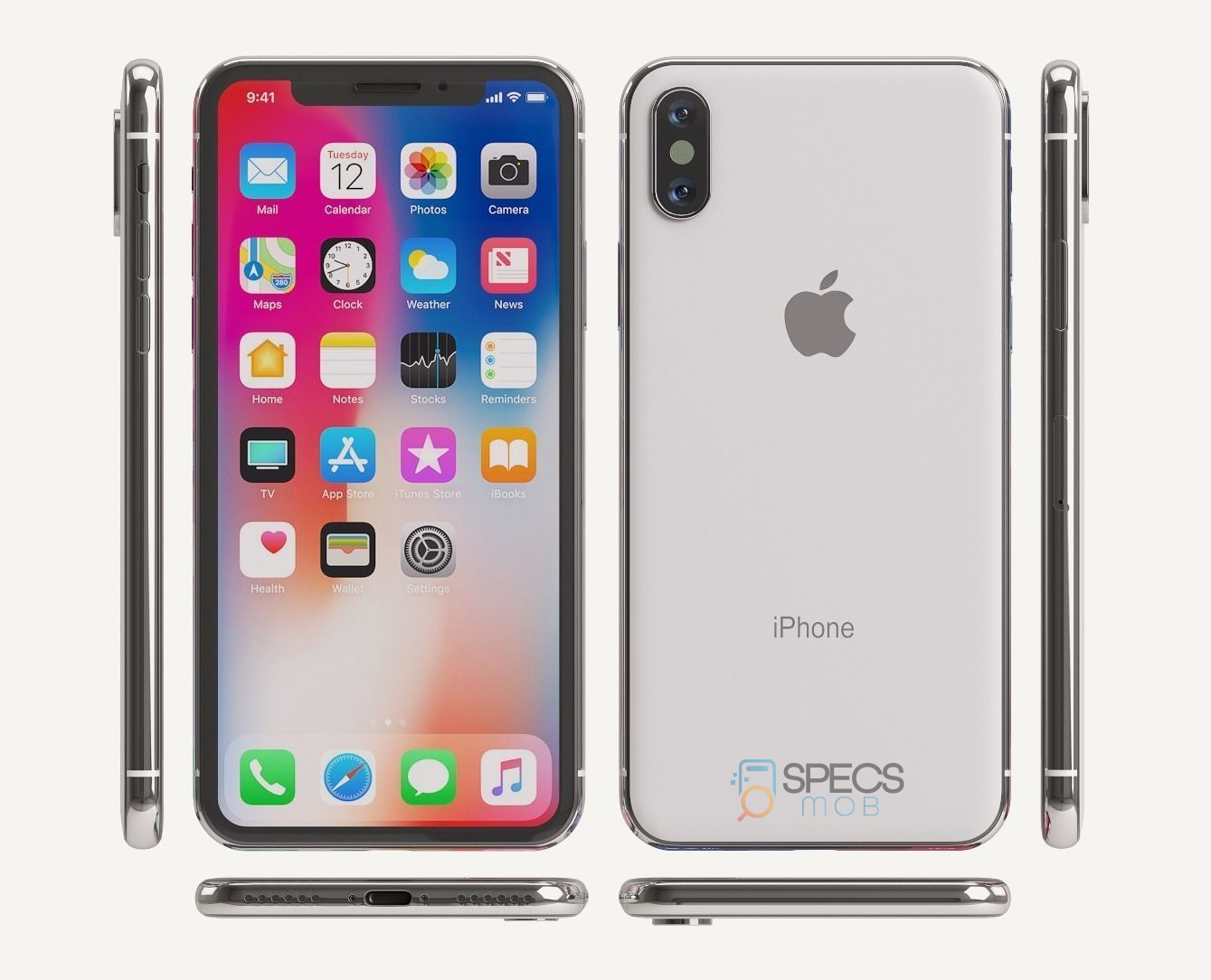



The Apple iPhone XR was a turning point in Apple’s smartphone journey. Released in 2018, the XR followed the iPhone X and provided top-of-the-line performance at a lower price point. For consumers who wanted flagship performance without the Pro-grade price tag, the model was a quick hit. Even years after its release, the iPhone XR specifications remain relevant, with an effortless combination of design sophistication, hardware performance, and daily use that endures.
In this review, we will cover iPhone XR specifications, design, screen, camera, battery, and user experience, and compare its versions (A2105, A1984, A2107, A2108, and A2106) to enable you to know what makes this phone one of the most well-rounded releases from Apple.
1: iPhone XR Versions and Model Numbers
Apple released various iPhone XR versions to meet the needs of various global markets. Although with the same internal specifications, network bands, and SIM variants differ by region. They are the following:
1.1: A1984
Region: USA, Canada, Puerto Rico, U.S. Virgin Islands
1.2: A2105
Region: Global Market (Europe, Middle East, Asia Pacific)
1.3: A2106
Region: Japan
A2107
Region: Mainland China
1.4: A2108
Region: China, Hong Kong, Macau
Network Support: All devices support GSM / CDMA / HSPA / EVDO / LTE to provide wide compatibility. Nevertheless, A2107 and A2108 models feature dual physical SIMs, whereas global and U.S. models feature one Nano-SIM and one eSIM. This difference still proves significant for travelers or business users juggling multiple numbers.
2: iPhone XR Design and Build Quality
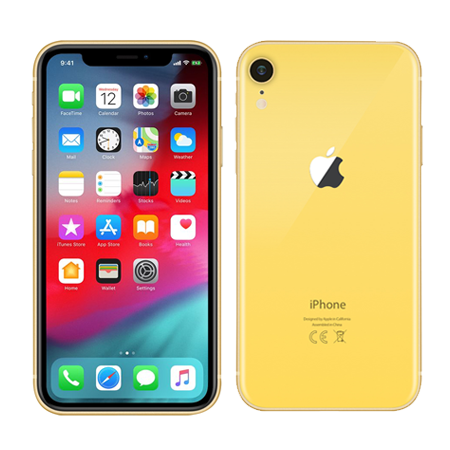
The design of iPhone XR is a perfect mixture of durability and class. Apple designed it using aerospace-grade aluminum (7000 series) for the body and glass from Corning on the front as well as on the back. It gets the sleek, minimalistic appearance of the iPhone X but adds bright colors such as Red, Yellow, Blue, Coral, White, and Black.
At 194 grams, the XR is substantial but not heavy. Its IP67 dust and water resistance is protective up to 1 meter for 30 minutes, which makes it functional for day-to-day mishaps. In contrast to stainless steel used in high-end models, aluminum gives a lighter touch and superior heat dissipation, an appropriate compromise between luxury and comfort.
Although released years back, the iPhone XR design language continues to feel fresh and up-to-date. Symmetrical bezels, glass finish, and color palette offer a pop in a world filled with colorless slabs. Apple even certified the XR for use with Apple Pay, with support for Visa, MasterCard, and AMEX, blending style and convenience.
3: iPhone XR Display and Visual Experience
One of the most controversial but also most well-liked features and specifications of the iPhone XR is its Liquid Retina Display. Apple’s engineers brought LCD to a quality that few rivals could match, with crisp color quality and a lot of brightness even without OLED screens.
- Display Type: Liquid Retina IPS LCD, 625 nits (HBM)
- Screen Size: 6.1 inches (~79.0% screen-to-body ratio)
- Resolution: 828 × 1792 pixels, 19.5:9 ratio (~326 ppi density)
- Protection: Scratch-resistant glass
- Technology: True Tone, Wide Color (P3), Tap to Wake
Critics have chastised the iPhone XR screen for its “HD-only” resolution, but the screen delivers with superior color management and precise calibration. With True Tone and P3 wide color gamut, images look natural and engaging. HDR content is not supported, per se, but Apple makes up for it with rich contrast and high peak brightness (625 nits) for comfortable outdoor viewing.
For video viewers and gamers, the Liquid Retina display still provides great sharpness for an ergonomic experience. The viewing angles are uniform, and the pixel density, while lower than OLED units, is adequate for occasional users. Coupled with Dolby sound support through stereo speakers, the iPhone XR specifications provide a well-rounded multimedia experience that feels high-end for its price point.
4: iPhone XR Features Overview
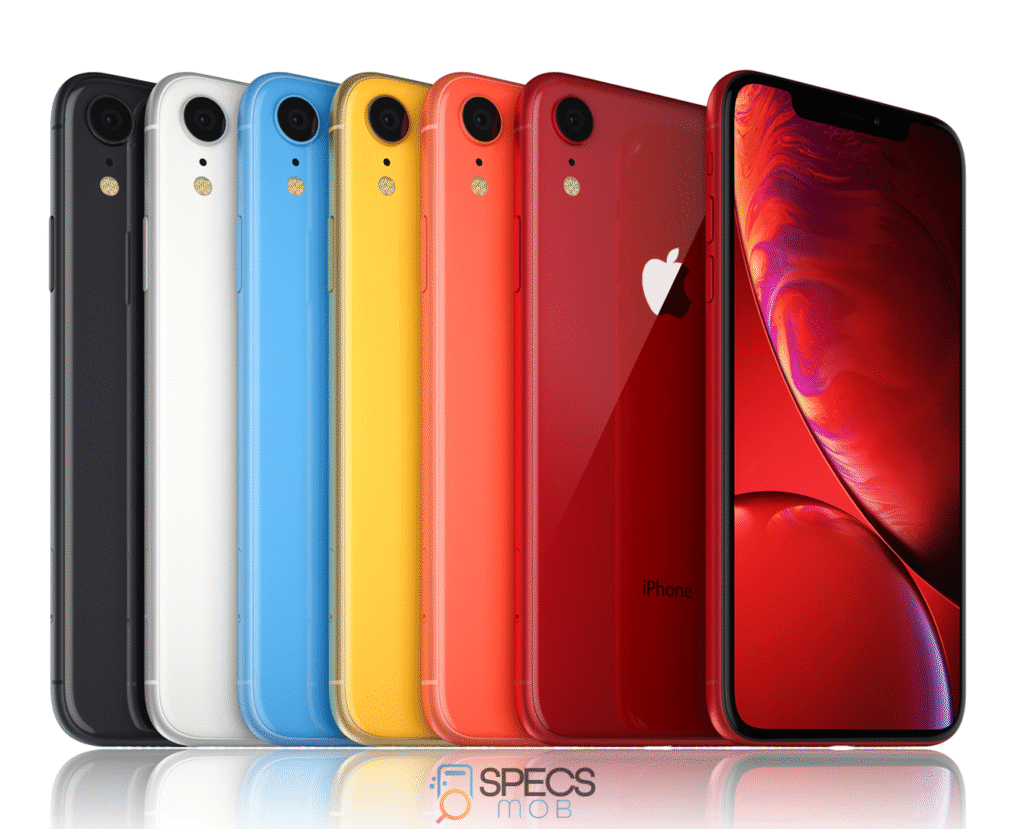
iPhone XR specifications and features extend beyond aesthetics. Apple designed the phone to feature flagship-caliber performance and security systems that compare with contemporary smartphones.
- Face ID: Fast and secure unlocking with facial recognition is made possible by the advanced TrueDepth camera system.
- Animoji & Memoji: Amusing personalization through facial tracking enhances user experience.
- Wireless Charging: Qi wireless charging capability dispenses with cable clutter.
- Apple Pay Integration: Certified for easy contactless payments.
- Water and Dust Resistance: IP67 rated, splash-resistant.
- Stereo Speakers: Clear and balanced sound quality for calls and entertainment.
- Software Longevity: Launched with iOS 12, presently upgradable to iOS 18.7, keeping the phone current in 2025.
Is iPhone X better than iPhone XR? Find out now.
Apple still pushes security and performance updates to the XR even years after launch, guaranteeing stability, battery life, and feature access to all users. Here is a look at iPhone XS specifications in detail:
4.1: iPhone XS Specifications
| Category | Specification |
| Network | GSM / CDMA / HSPA / EVDO / LTE |
| Launch | Announced 2018, September 12 · Released 2018, October 26 |
| Body | 150.9 × 75.7 × 8.3 mm · 194 g · Glass front (Corning) · Glass back (Corning) · Aluminum frame (7000 series) · IP67 dust / water resistant (up to 1 m for 30 min) |
| SIM | Nano-SIM + eSIM (most markets) · Dual Nano-SIM in China (A2107 / A2108) · Apple Pay (Visa, MasterCard, AMEX certified) |
| Display | Liquid Retina IPS LCD, 625 nits (HBM) · 6.1 inches · 828 × 1792 pixels, 19.5:9 ratio (~326 ppi) · Scratch-resistant glass |
| Platform | iOS 12 (original), upgradable to iOS 18.7 |
| Chipset | Apple A12 Bionic (7 nm) |
| CPU | Hexa-core (2 × 2.5 GHz Vortex + 4 × 1.6 GHz Tempest) |
| GPU | Apple 4-core graphics |
| Memory | 64 GB / 128 GB / 256 GB NVMe storage · 3 GB RAM |
| Main Camera | 12 MP, f/1.8, 26 mm (wide), 1.4 µm, PDAF, OIS · Quad-LED dual-tone flash · HDR / panorama |
| Selfie Camera | 7 MP, f/2.2 · SL 3D depth sensor · HDR · 1080p @ 60 fps |
| Sound | Stereo speakers · No 3.5 mm jack |
| Connectivity | Wi-Fi 802.11 a/b/g/n/ac (dual-band), hotspot · Bluetooth 5.0, A2DP, LE · GPS / GLONASS / GALILEO / QZSS · NFC · Lightning (USB 2.0) |
| Sensors | Face ID, accelerometer, gyro, proximity, compass, barometer |
| Battery | Li-Ion 2942 mAh non-removable (11.16 Wh) · 15W wired charging (PD 2.0) · Wireless charging (Qi) |
| Talk Time | Up to 25 hours (3G) |
| Colours | Black, White, Red, Yellow, Coral, Blue |
| SAR | 1.13 W/kg (head) · 1.16 W/kg (body) · EU: 0.99 W/kg (head) / 0.99 W/kg (body) |
| Performance Scores | AnTuTu ≈ 341,196 (v7) · ≈ 422,465 (v8) · GeekBench ≈ 11,437 (v4.4) |
| Battery Endurance | 78 hours |
| Price (approx) | Price in USD: $150 |
5: iPhone XR Performance and Hardware Power
The brain of the performance behind the iPhone XR is the Apple A12 Bionic chip, fabricated on a 7nm process. The chip was a game-changer for smartphone speed and efficiency at the time it was launched. The chip comes with a six-core CPU (two high-performance Vortex cores and four energy-efficient Tempest cores) and a four-core Apple GPU.
The A12 Bionic powered the Neural Engine, which can execute up to 5 trillion operations each second, supporting demanding features such as image recognition, AR effects, and real-time photo editing. Daily performance is still seamless including multitasking, intense games, and content editing become second nature even years after.
Apple’s optimization prevents frame drops, less heat, and better power management. The NVMe storage provides blindingly fast app launches, and combined with iOS 18.7, users continue to enjoy a clean, responsive interface that can compare to mid-range Androids today.
6: iPhone XR Battery Life and Charging
Apple crafted the iPhone XR battery to provide a perfect combination of performance and longevity. Boasting a Li-Ion 2942 mAh non-removable battery (11.16 Wh), the XR is not the highest in terms of capacity. However, its optimization with iOS allows it to surpass many higher-rated Android phones in the same price bracket. So why not buy value for money?
Real-world performance validates why the iPhone XR battery life was so widely applauded. Due to the A12 Bionic chip and optimization of iOS, the XR has no problem lasting an entire day of hefty to heavy usage, such as browsing, streaming, calling, and gaming and all that.
Do you know? The battery life varies from light to heavy usage
Light users (social media, calls, browsing): 1.5–2 days per charge.
Heavy users (gaming, photography, streaming): approximately 14–16 hours.
This longevity is also enhanced by iOS’s Battery Health & Charging, which avoids overcharging and maintains battery wear at a minimum even after years of use.
The XR has 15W fast charging assisted by Power Delivery (PD 2.0) and wireless charging based on Qi. Although it does not come with a fast charger, using it with an 18W or above certified PD charger gives a 50% charge in only 30 minutes.
Wireless charging, although slower, makes desk configurations and nightstand charging much easier. Optimization by Apple provides equal heat management, thereby increasing battery life.
Even after 5–6 years, users report more than 85% battery health, which is a clear demonstration of Apple’s hardware durability. Paired with iOS’s adaptive charging algorithms, the iPhone XR’s battery still lasts longer than some newer mid-range devices.
7: iPhone XR Camera Review
The iPhone XR camera might lack the dual-lens arrangement of the iPhone Xs, but Apple made up for this with astute software features. It boasts a solitary 12 MP wide sensor (f/1.8), Optical Image Stabilization (OIS), Smart HDR, and Quad-LED dual-tone flash.
7.1: Rear Camera Capabilities
- Main Sensor: 12 MP, f/1.8, 26mm (wide), 1/2.55″, 1.4µm, PDAF, OIS
- Zoom: Digital (up to 5x)
- Flash: Quad-LED dual-tone
- Video Recording: 4K@24/30/60fps, 1080p@30/60/120/240fps, HDR, stereo sound
- Photo Modes: Portrait, Panorama, Smart HDR, Live Photos
7.3: Front Camera Capabilities
- Sensor: 7 MP, f/2.2
- Features: HDR, Portrait Mode (via depth sensing), Animoji, Memoji
- Video: 1080p@60fps
The iPhone XR camera takes lifelike colors with proportionate exposure. With just one rear camera lens, Apple’s computational photography also allows for portrait mode with stunning background blur. Smart HDR combines several exposures for precise highlights and shadows and delivers balanced and vibrant photos under different lighting conditions.
During the day, images are sharp and colorful, with low-light images holding good sharpness without overly zealous noise reduction. Color science from Apple keeps skin tones natural-looking unlike beautifying like most of the phones. It shows the greatest strength of Apple iPhone XR specifications compared to its similarly priced rivals.
The XR is one of the greatest single-lens video recorders to have ever been produced. It records 4K at up to 60fps and 1080p slow-mo at 240fps. The OIS and Apple’s video processing combine to make the stabilization ultra-smooth, even when recording handheld.
Stereo audio recording and stable white balance are added to the cinematic feel Apple is well-known for. For vloggers or creators, the XR remains highly valuable.
8: iPhone XR Display and Multimedia Experience
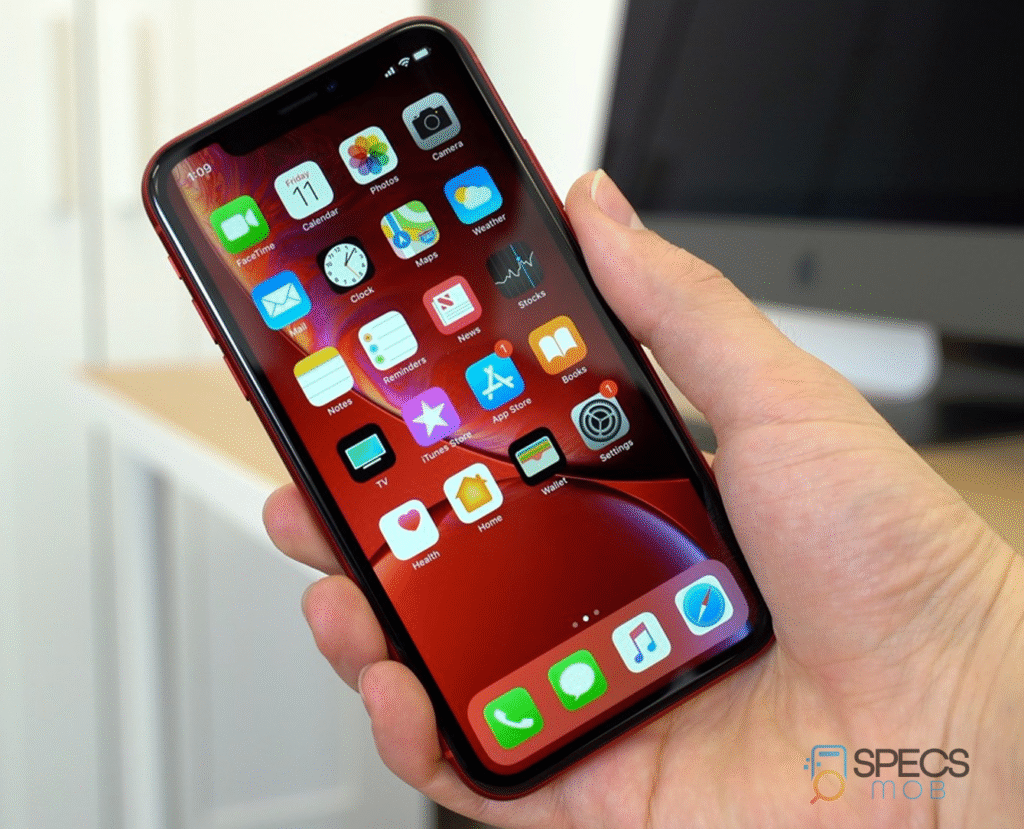
The Liquid Retina IPS LCD produces rich and true-to-life images. The Full HD display with 625 nits of brightness provides outstanding outdoor readability, and the wide color gamut (P3) provides cinema-like quality to videos.
When paired with stereo speakers, the XR turns into a mini-entertainment hub. Apple’s balanced soundstage ensures clarity and loudness without distortion. Whether you’re streaming Netflix or scrolling through TikTok, the iPhone XR display and sound quality provide a truly immersive experience.
9: iPhone XR Software and User Experience
The iPhone XR experience is where Apple’s long-term plan really comes into its own. First released with iOS 12, it is now updated to iOS 18.7, demonstrating Apple’s unparalleled dedication to longevity.
The A12 Bionic chip still provides responsive performance, and Face ID is one of the fastest and most secure biometrics systems on the market.
- iOS 18.7 Support: Includes improved privacy, widget customization, and advanced Siri integration.
- Face ID: Secure, accurate, and fast facial recognition.
- Augmented Reality (ARKit): Smooth AR gaming and measurement applications.
- Animoji & Memoji: Personalized emotions with the TrueDepth camera.
- Apple Ecosystem Integration: Seamless integration with Apple Watch, iPad, and Mac.
- Battery Health Management: Prevents degradation in performance over time.
The XR manages multitasking, animations, and app switching without any lag. Even after repeated OS updates, the performance stability is not lost, something most Android devices cannot do yet.
Pros:
- Solid longevity because of Apple’s care and optimization
- A12 Bionic chip that provides seamless daily performance
- Great color choices and premium build
- iOS features still current
- Safe camera with Smart HDR and OIS
- Decent battery life at the time
- Water and dust resistant (IP67)
Cons:
- Single rear camera (no telephoto or ultra-wide)
- Display is LCD instead of OLED (less contrast)
- No 5G capability
- 3 GB RAM can feel constraining for future, more resource-intensive apps
- Charging is not really fast and requires a higher wattage charger
10: Frequently Asked Questions About iPhone XR Specifications(FAQs)
1. Is iPhone XR still worth buying in 2025?
Yes. The iPhone XR still feels like a mid-range flagship due to the A12 Bionic chip and support of iOS 18. Its camera performance, battery life, and general reliability make it an excellent value-for-money iPhone even in 2025.
2. How long will the iPhone XR receive updates?
Apple generally supports phones for 6–7 years. Because the XR debuted with iOS 12, it should be supported through iOS 19 or 20, perhaps into 2026–2027.
3. Does iPhone XR have 5G?
No. iPhone XR specifications only supports 4G LTE, not 5G. But its 4G speeds are great for streaming, gaming, and general use.
4. How is the iPhone XR camera?
The iPhone XR camera is great even now. It takes vibrant, full of detail photos with good color balance and excellent portrait effects with the help of software depth mapping.
5. How long does the iPhone XR battery last?
The XR lasts as long as 78 hours of endurance, or as much as 14–16 hours of use, based on your lifestyle. It recharges to 50% in 30 minutes using a PD charger.
6. Which of the iPhone XR devices supports dual SIMs?
The A2107 and A2108 models (China and Hong Kong) have dual Nano-SIM slots, while others utilize Nano + eSIM combinations.
7. What are the colors of the Apple iPhone XR?
The iPhone XR is available in six colors: Black, White, Red, Yellow, Coral, and Blue, one of the most colorful lineup ever offered by Apple.