

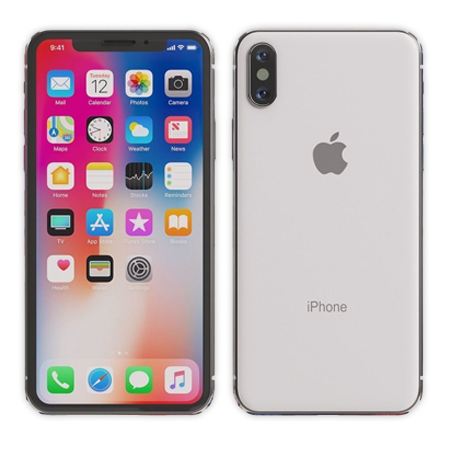

Back in September 2018, when Apple launched the iPhone XS with stunning specifications, it was not a slight update of the iPhone X. This masterpiece make waves in the smartphone industry being an upgrade of the previous models in terms of sophistication, performance, and camera capabilities. From a stronger body and quicker chip to a dual-lens camera and brighter OLED display, this model retained the refinement of the iPhone X while improving nearly every aspect.
In this comprehensive iPhone XS review, we will explore the design, display, features, performance, and overall user experience. If you want to evaluate a refurbished unit or if you only want to know Apple’s evolution, this article covers every detail, including iPhone XS specifications, versions, and key performance benchmarks. So, you can make a perfect buying decision if the model meets your expectations. Read till end to know iconic Apple iPhone XS specifications and features.
1: iPhone XS Versions and Model Numbers
Just like other flagship Apple devices, the iPhone XS came in multiple variants tailored to different regions. Here is how they are categorized:
1.1: A2097
Region: Global market
1.2: A1920
Region: USA, Canada, Puerto Rico, U.S. Virgin Islands
1.3: A2100
Region: China, Hong Kong
1.4: A2098
Region: Japan
Except for the differences in regions, all models possess an identical design and even similar features, and internal hardware. The only difference is in network compatibility (SIM configurations and LTE bands).
The iPhone XS uses GSM / CDMA / HSPA / EVDO / LTE, providing global roaming ability that makes it a perfect feature for international users.
2: iPhone XS Design and Build Quality
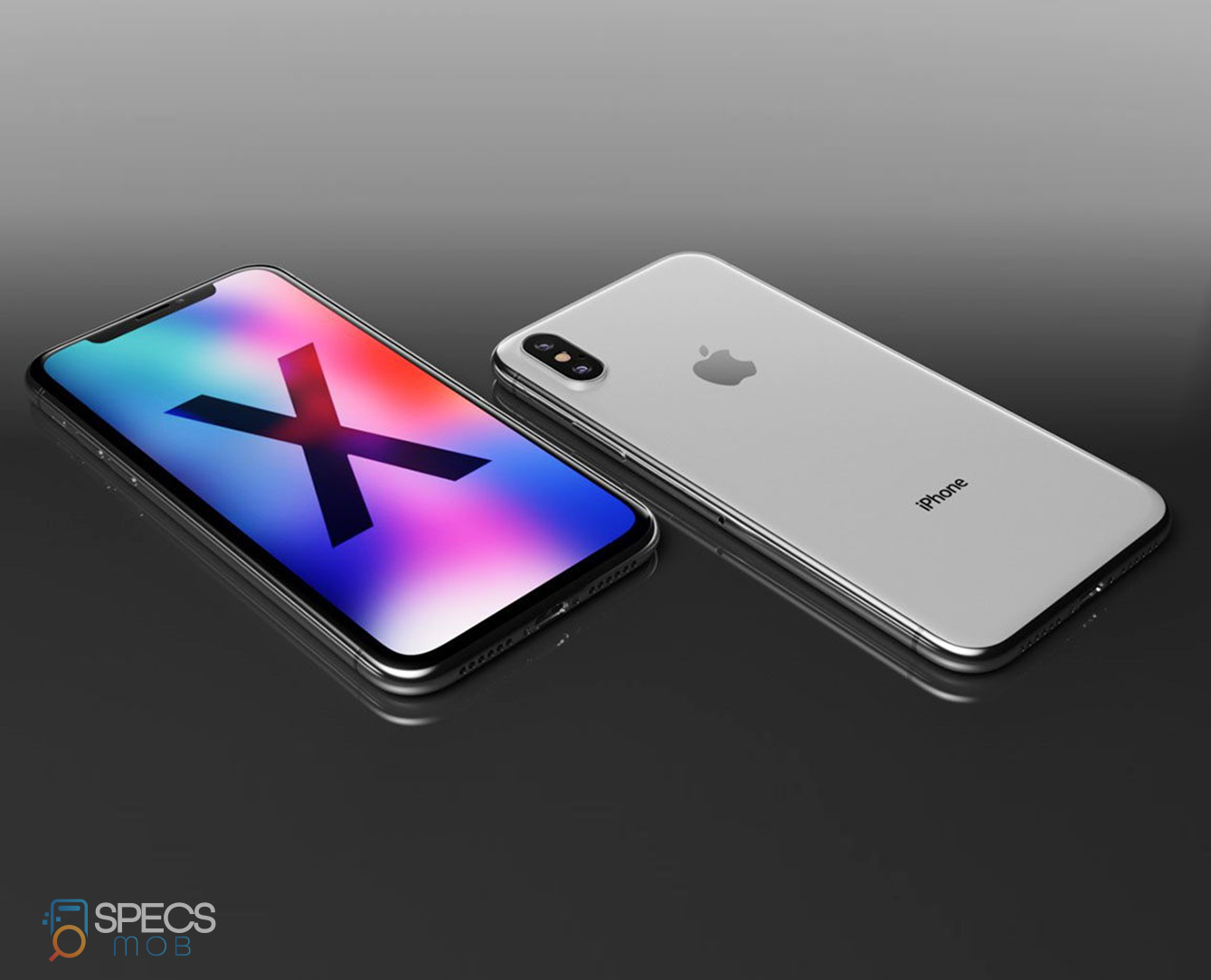
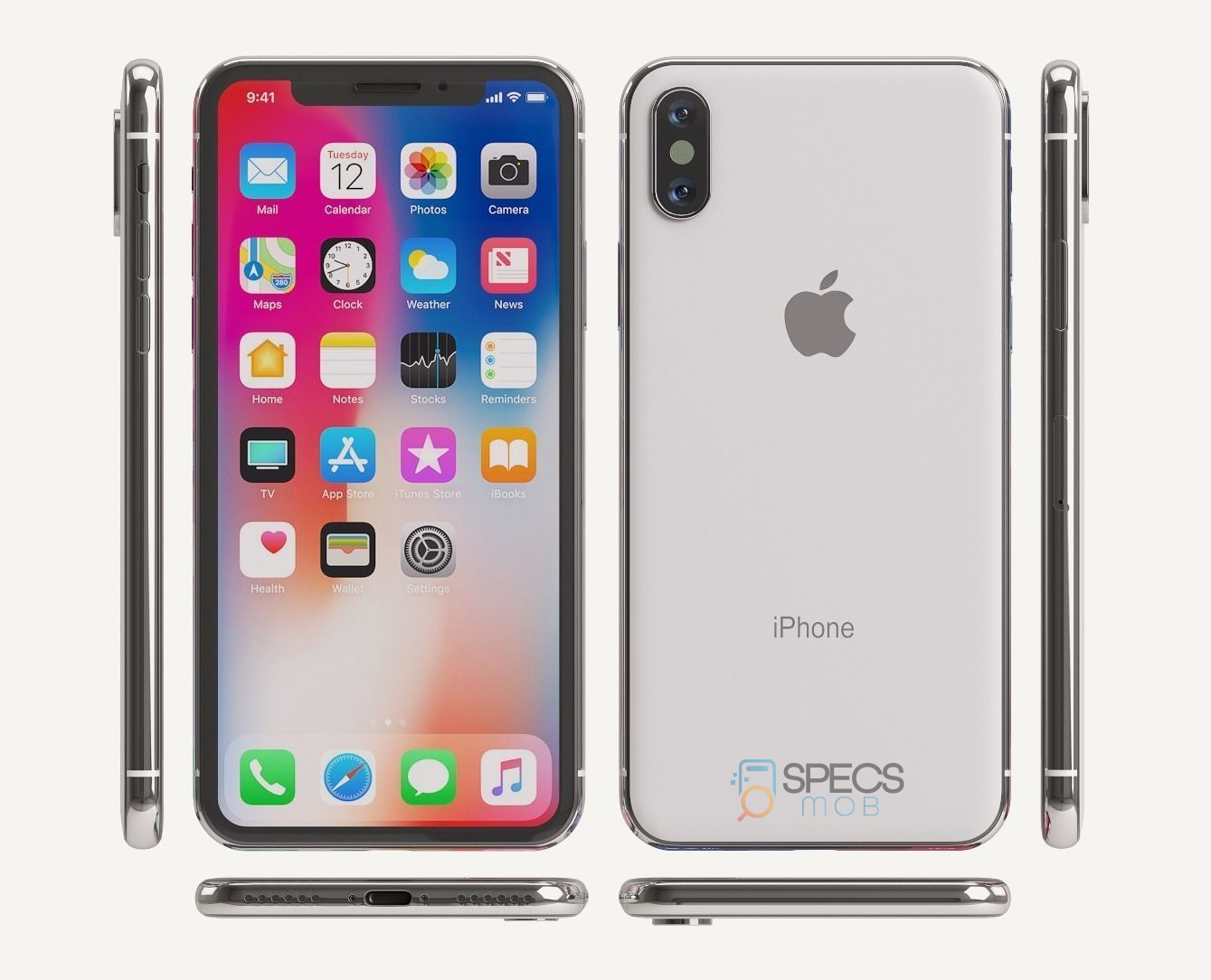
Apple’s iPhone XS design also perfected the glass-and-steel look unveiled by the iPhone X. It uses Corning-produced front and rear glass panels held together by a stainless-steel frame, which provides both beauty and durability.
- Dimensions: 143.6 x 70.9 x 7.7 mm
- Weight: 177 g
- Build: Glass front/back + stainless-steel frame
- Water resistance: IP68 (up to 2m for 30 minutes)
The IP68 rating is an improvement from the iPhone X’s IP67, making the XS more durable against unintentional splashes or temporary submersion.
Color options sich as Space Gray, Silver, and Gold provide users with an old-school yet premium color scheme. The gold option was especially complimented for being elegantly warm to light.
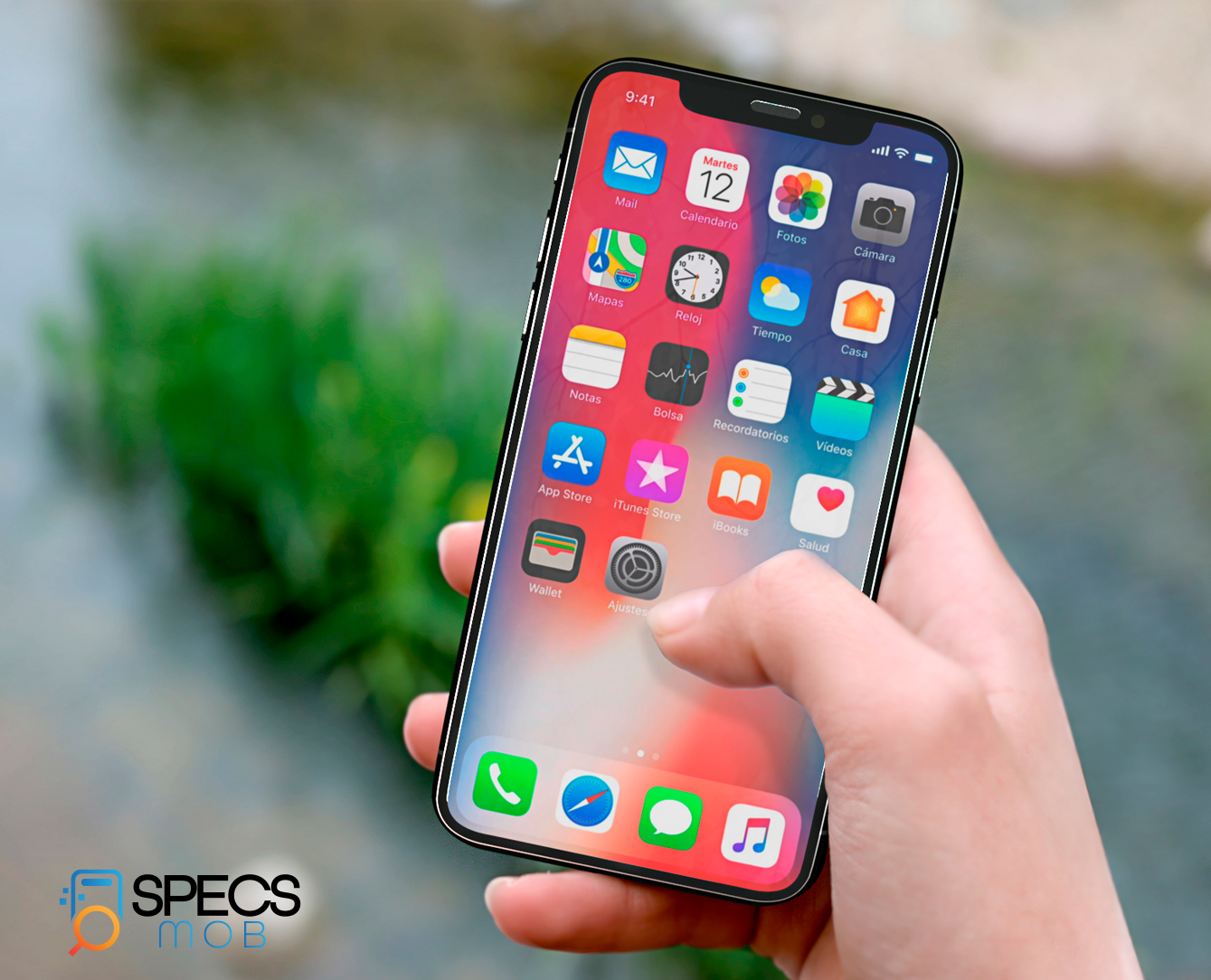
In hand, the iPhone XS feels sturdy but diminutive, simpler to handle than the bigger iPhone XS Max, but no less charming in terms of design. The edges are rounded, buttons are tactile, and overall ergonomics are top-notch.
3: iPhone XS Display and Visual Experience
Apple called the XS display Super Retina OLED, and rightly so, it provides exquisite visuals.
The screen is among the top in class, with bright colors, rich blacks, and crisp text. HDR10 and Dolby Vision support make video playback better, particularly for streaming movies on Apple TV+ or Netflix.
Apple’s True Tone technology adapts color temperature to ambient lighting, making viewing comfortable across environments, a small but effective feature for daily usage.
Notably, the iPhone XS display outperforms many mid-range OLEDs even today, maintaining excellent visibility under direct sunlight and superb accuracy for photo editing and media viewing. The aforementioned features make it a perfect choice for content creators.
- Type: Super Retina OLED, HDR10, Dolby Vision
- Size: 5.8 inches
- Resolution: 1125 × 2436 pixels, ~458 ppi density
- Brightness: 625 nits (HBM)
- Contrast Ratio: Infinite (nominal), 5.171:1 (sunlight)
- Protection: Scratch-resistant glass
- Features: True Tone, 3D Touch, Wide color gamut
This small yet immersive screen made the XS one of Apple’s most well-rounded phones. They are just perfect for single-hand operation yet still offering cinematic-quality visuals.
4: iPhone XS Features Overview
Aside from performance, the iPhone XS specifications boast a great mix of intelligent upgrades that prioritize convenience, security, and daily use.
- Face ID: Improved facial recognition for quicker unlocks
- Dual SIM support: Nano-SIM + eSIM or Dual Nano-SIM (Chinese models)
- Apple Pay: Visa, MasterCard, AMEX certified
- Water and dust resistance: IP68 rating
- Stereo speakers: Louder and crisper sound with more bass
- Animoji and Memoji: Driven by the TrueDepth camera
The XS is a complete Apple experience, highly secure, seamless, and well-integrated with the iOS ecosystem. Let us have a look at Apple iPhone XS specifications and features in detail.
Is iPhone X better than iPhone XS? Find out here
4.1: iPhone XS Specifications
| Category | Specification |
| Network | Backs GSM, CDMA, HSPA, EVDO, and LTE technology support for broad global compatibility. |
| Launch | Launched on September 12, 2018, and available from September 21, 2018 |
| Body | Measurements: 143.6 × 70.9 × 7.7 mm · Weight: 177 g · Has a Corning glass front and rear and stainless-steel frame. |
| SIM | Has a Nano-SIM and eSIM configuration, with Dual SIM on Chinese models. |
| Display | 5.8-inch Super Retina OLED display supporting HDR10, Dolby Vision, and brightness of up to 625 nits (HBM) with 1125×2436-pixel resolution (~458 ppi density). Integrated with scratch-resistant glass and 3D Touch functionality. |
| Platform | Comes pre-installed with iOS 12, upgradable to the current iOS 18.7 version. |
| Chipset | Based on the Apple A12 Bionic (7 nm) processor. |
| CPU | Hexa-core configuration, 2×2.5 GHz Vortex (for high-performance) and 4×1.6 GHz Tempest (for efficiency) cores. |
| GPU | Apple-designed 4-core GPU for improved gaming performance and graphic rendering. |
| Memory | Coming in 64GB, 256GB, and 512GB NVMe storage options, alongside 4GB of RAM. |
| Main Camera | Dual 12MP camera setup: wide + telephoto, with OIS, PDAF, and 2× optical zoom. Records 4K (24/30/60fps) and 1080p (30/60/120/240fps) with HDR and stereo sound recording support. |
| Selfie Camera | 7MP front-facing camera (f/2.2) with an SL 3D depth sensor, HDR, and 1080p video at 30/60fps. |
| Sound | Boasts stereo speakers with no 3.5mm headphone jack. |
| Connectivity | Wi-Fi (a/b/g/n/ac), Bluetooth 5.0, GPS, GLONASS, GALILEO, QZSS, NFC, and Lightning USB 2.0 port. |
| Sensors | Face ID, accelerometer, gyro, proximity, compass, and barometer. |
| Battery | Li-Ion 2658 mAh (10.13 Wh) with 15W fast charging (PD 2.0)—charging up to 50% in 30 minutes; also supports Qi wireless charging. |
| Talk Time | Up to 27 hours |
| Colours | Comes in Space Gray, Silver, and Gold colors. |
| SAR | 1.19 W/kg (head) and 1.18 W/kg (body). |
| Performance Scores | AnTuTu: 346,379 · GeekBench: 11,472 · GFXBench: 47 fps. |
| Battery Endurance | 72-78 hours |
| Price (approx) | Approximately €190 for used units (dependent on condition and market). |
(video link)
5: iPhone XS Performance and Hardware Power
As far as performance goes, the iPhone XS introduced new benchmarks for speed and efficiency when it was released. With Apple’s A12 Bionic chip based on a 7nm process, the phone offers a seamless, lag-free experience for apps, gaming, and multitasking. With this hexa-core processor, featuring two high-performance “Vortex” cores and four power-efficient “Tempest” cores, the performance meets the perfect balance of power and battery optimization.
In benchmarking tests, iPhone XS performance is still exceptional years after initial release. It had a score of approximately 346,000 in AnTuTu (v7) and reached 11,472 using GeekBench 4.4, reflecting superior graphics and computing prowess. The four-core Apple GPU boosts gaming quality and video rendering, making it a delight for gamers and content creators.
Even by modern standards, the iPhone XS continues to hold its own against many mid-tier flagships, cementing its legacy as one of the most powerful devices of its generation.
In actual use, the iPhone XS performance is still silky smooth, apps open in an instant, games play without frame drops, and multitasking feels seamless.
Apple’s software optimization enables the iPhone XS to provide smooth transition and lag-free performance, even when loaded with more demanding tasks such as 4K video editing or gaming.
4 GB RAM, combined with NVMe storage, provides quick read/write speeds, enabling apps to pick up instantaneously from running in the background. Even after a couple of iOS updates, the XS still manages on iOS 18.7, proof of Apple’s dedication to sustaining performance.
6: iPhone XS Battery Life and Charging
Though the iPhone XS battery life was not exactly groundbreaking on paper, Apple’s optimizations to efficiency made a big difference in actual use. The 2,658 mAh Li-Ion battery may be small compared to Android competitors, but through the A12 Bionic chip and iOS resource management, it performs remarkably well even in 2025.
On full charge, the iPhone XS handles up to 14 hours of video playback with ease, approximately 12 hours of browsing on the web, and almost 21 hours of 3G talk time.
Qi wireless charging and 15W wired fast charging contribute to convenience, reaching 50% in 30 minutes with Apple’s PD 2.0 charger. While not as quick as contemporary USB-C charging rates, it was respectable for its time.
From day-to-day usage to gaming and photography, the 72-hour battery life rating speaks volumes about balanced performance in the hands of normal users. Power social networkers or serious gamers might require an evening refilling, but standby power is robust.
Apple’s emphasis on optimizing battery health lifespan further means that the iPhone XS battery will degrade more gradually than previous lithium technology, so refurbished phones still retain 85–90% capacity after years of service.
7: iPhone XS Camera Review
Apple did more than incremental upgrades with the iPhone XS camera. It provided smart improvements that made photography seamless and cinematic.

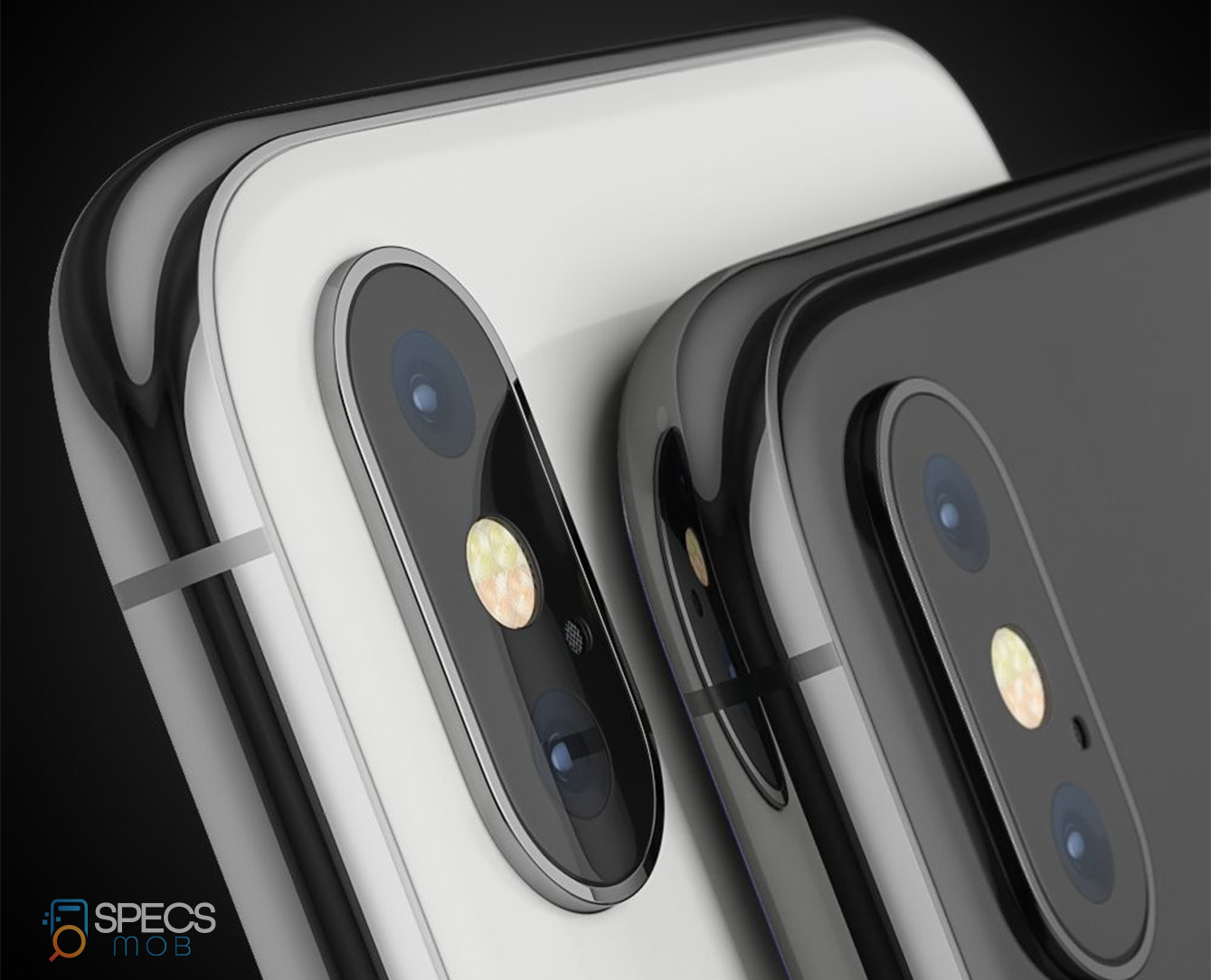
The dual 12 MP back setup consists of:
- A wide-angle lens (f/1.8, 26mm) for day-to-day shots.
- A telephoto lens (f/2.4, 52mm) for 2x optical zoom and portrait mode depth effects.
7.1: Important Camera Features:
- Dual OIS (Optical Image Stabilization)
- Dual-pixel PDAF
- Quad-LED True Tone flash
- Smart HDR for enhanced dynamic range
- 4K video at 60 fps and 1080p slow-mo at 240 fps
Apple’s Smart HDR technology was the true showstopper, combining several exposures to create gorgeously balanced highlights and shadows. The iPhone XS images retain detail even in the case of backlit or low-light scenes, minimizing noise without overprocessing.
Video recording is also impressive. Stereo sound recording and high dynamic range video recording make clips feel natural and smooth. The XS was a go-to model for vloggers between 2018–2020 because it was very stable, showed consistent color reproduction, and was easy to export to editing platforms.
The 7 MP TrueDepth camera on the front is not merely for selfies, it drives Face ID, Animoji, and adjustable-bokeh portrait selfies. The sensor is also precise in low-light environments and records realistic skin tones without over-smoothing.
Landscape and cinematic recording, or even just snapshots, the camera of the iPhone XS is still very much on par with budget flagships of today.
8: iPhone XS Display and Multimedia Experience
If streaming, gaming, or viewing bright visuals is your thing, the iPhone XS screen is still one of Apple’s finest small displays. The Super Retina OLED screen is HDR10 and Dolby Vision compliant, delivering tremendous color depth to contemporary content.
The 5.8-inch display finds balance between portability and immersion, with a 19.5:9 aspect ratio perfect for movies and browsing social feeds. Text is blade-sharp due to the 458 ppi density, while blacks are rich enough to compete with flagship OLEDs even in 2025.
With stereo speakers, the multimedia experience is dynamic and immersive. Stereo speakers provide loud and clear sound with well-balanced highs and deep mid-tones, perfect for watching YouTube, Netflix, or playing games without headphones.
Apple’s True Tone and wide color gamut provide accurate color for professionals who photo-edit or content-design. Dolby Vision compatibility heightens supported movies and TV shows, making realistic lighting and textures come alive.
Even after years of upgrades, the iPhone XS multimedia performance has not aged. Thereby, it is an excellent choice for users seeking both compactness and premium visual quality.
9: iPhone XS Software and User Experience
One of the best things about Apple iPhone XS ownership is the software experience. Coming with iOS 12 and upgradeable right up to iOS 18.7, it provides long-term security, feature enhancement, and performance stability that is beyond most Androids released in 2018.

The interface is still uncluttered, smooth, and coherent with silky transitions and tuned animations. Despite years of software updates, the user experience on the iPhone XS is still responsive, apps open immediately, Face ID is almost instantaneous, and multitasking is seamless.
iPhone XS specifications and features worth mentioning that enhance the user experience include:
- Face ID: Convenient and quick authentication between apps and Apple Pay.
- Screen Time: For tracking and controlling device usage.
- Augmented Reality (AR): Powered by the Neural Engine and camera sensors.
- Siri Shortcuts: Shorten repeated tasks for easier use.
- iCloud ecosystem integration: Seamlessly sync photos, notes, and settings.
With each release, Apple streamlines the UI and introduces personalization layers, widgets, Focus modes, live photos, and so on. For those coming from previous-generation iPhones, the XS offers an unexpectedly current experience that still holds its own against newer devices.
Before concluding this iPhone XS review, here’s a brief summary of its plus points and some cons:
Pros:
- Luxurious stainless steel and glass build
- Gorgeous Super Retina OLED screen with HDR10 and Dolby Vision
- Powerhouse A12 Bionic chip with top-class performance endurance
- Superlative dual-camera system with Smart HDR
- Fast Face ID and strong security features
- Wireless and rapid charging capabilities
- Long-term iOS support via iOS 18+
- Top-notch build quality and water resistance (IP68)
Cons:
- No headphone jack or audio adapter in box.
- Average battery capacity in comparison to newer phones.
- No ultra-wide camera (not available until later with iPhone 11).
- Continues to utilize Lightning port instead of USB-C.
- Does not have ProMotion 120Hz refresh rate.
All in all, the iPhone XS advantages far outweigh its disadvantages by an even wider margin, given its balance of performance, looks, and long-term durability.
For those looking for a premium iPhone experience without punching holes in their pockets, the Apple iPhone XS is not only smart, but a future-proof choice. Based on its smooth user experience, long-lasting software support, and a decent battery life, Apple makes sure that the iPhone X features and specifications continue to shine in 2025 as well.
If you are someone looking for a bright OLED display, refined design, and all-day performance to depend on with a single charge, the iPhone ten XS is still one of Apple’s best launches.
10: Frequently Asked Questions About iPhone XS Specifications(FAQs)
1. Is the iPhone XS still worth buying in 2025?
Yes. The iPhone XS specifications still include dependable performance, a crisp OLED screen, and good camera output. For customers who want high-quality construction and silky iOS performance at a reduced cost, it is an excellent bargain.
2. How does the iPhone XS battery last on a single charge?
With average usage, you can have 10–12 hours of screen time or around 72 hours of endurance depending on the brightness and activity level.
3. Does the iPhone XS have 5G?
No iPhone XS specifications include 4G LTE, but not 5G. Nevertheless, LTE speeds are still fast and reliable for the majority of users.
4. How is iPhone X different from iPhone XS?
The XS comes with an A12 Bionic chip, enhanced camera sensors, IP68 water resistance, enhanced stereo sound, and gold color option in addition to the iPhone X.
5. How much RAM does the iPhone XS contain?
The iPhone XS features 4 GB of RAM, providing seamless multitasking and improved support for current apps compared to the previous one.
6. Is the iPhone XS camera still suitable for photography?
Yes, the twin 12MP configuration with Smart HDR takes superb photographs even in 2025, particularly for natural color representation and stability.
7. Does iPhone XS support wireless charging?
Yes, it also supports Qi wireless charging and 15W wired PD fast charging.
8. Is iPhone XS waterproof?
It has an IP68 rating, which means it can withstand immersion to 2 meters for 30 minutes.
9. What is the iPhone XS price today?
On the refurbished market, the Apple iPhone XS will usually range between €190–€220, depending on the storage and condition.